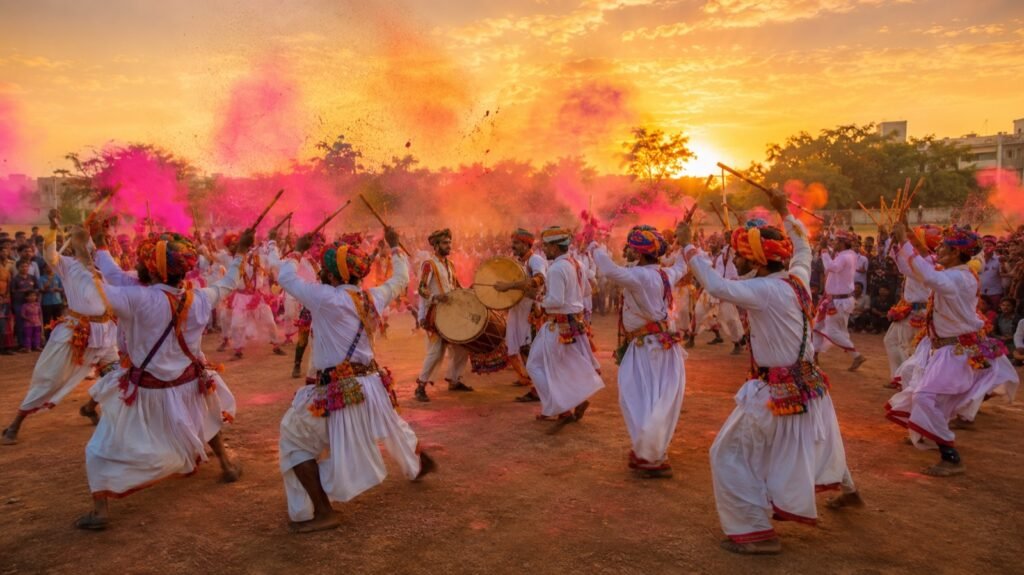
Holi in Rajasthan is not a one-day festival. The moment the month of Phalgun begins, the chang comes out in villages and small towns, and for the next several weeks every evening turns into a gathering of Faag songs. Rajasthani families settled in Ahmedabad have brought this long celebration with them — from society common plots to the market yard grounds, the beat of Gair, Ghoomar and Daf starts to be heard as soon as Phagun arrives.
Holi in Rajasthan — a month-long celebration
In the Rajasthani tradition, the Holi celebration begins on Vasant Panchami itself and runs right up to Dhulandi. Through this entire period people gather every evening in the village square, play the chang and sing Faag songs. That is why it is called not merely “Holi” but Phagun Mahotsav or Phagotsav.
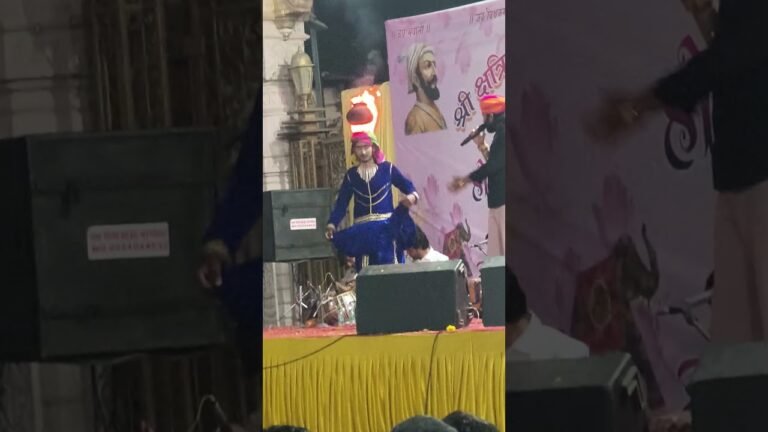
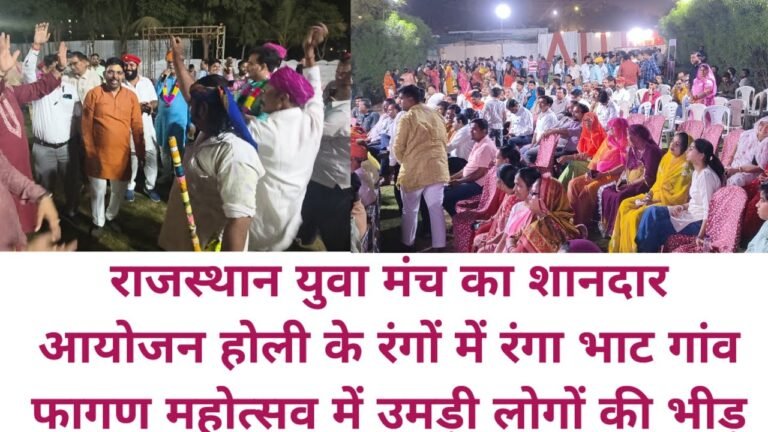
In Ahmedabad the same tradition lives on through programmes such as the Holi Phagan Mahotsav at Narol and the Phagun Mahotsav of Rajasthan Yuva Manch.
The folk dances of Holi
Gair
Gair is the traditional group dance of Marwar and Mewar, in which men dance in a large circle holding wooden sticks. The rhythmic sound of the sticks striking one another is what gives the dance its distinctive identity. By tradition, Gair is performed at different locations across seven days around Holi.
In Ahmedabad this tradition is alive in full force — the Gair Mahotsav drawing thousands to the Karnavati Agriculture Market Yard in Vatva and the Gair that takes to the city streets are examples of it.
Ghoomar
Ghoomar is primarily a women’s dance, performed in a circle in a wide flared ghaghra. It came originally from the Bhil community and later became a cultural marker for the whole of Rajasthan. At the Karnavati Mahanagar programmes, Ghoomar and Gair performances take place side by side, which lets the entire family take part.
Gindad
Gindad is the distinctive Holi tradition of the Shekhawati region — Sikar, Churu and Jhunjhunu. Men dance with sticks to the beat of a large nagara, and these night-long programmes also feature swaang, comic turns performed in costume. The Gindad Holi of Rajaldesar is a living example of this tradition.
Chang and Daf — the heartbeat of Phagun
The real signature of Rajasthani Holi lies in its instruments. The chang and the daf are large circular hide drums, held in one hand and played with the palm and fingers of the other. Their sound carries a long way, and that is what makes them ideal for large open-air gatherings.
The greatest virtue of these instruments is that playing them needs no formal training — people of every age join in easily. An entire town dancing to the beat of the chang in Rajaldesar is an example of this.
Faag songs
Faag are the folk songs sung during the month of Phalgun. What sets them apart is that they carry devotion, humour and shringar — all three moods at once. Both Braj and Rajasthan have rich Faag traditions, and it is in the Phalgun gatherings of the villages that new Faag songs are composed and old ones passed from one generation to the next.
Holi programmes in Ahmedabad
Rajasthani Holi in Ahmedabad is celebrated mainly in three forms.
The samaj sneh milan
Most samaj organisations hold a sneh milan for Holi — among them the Rajpurohit Samaj, the Gaur Brahman Samaj at Kankaria and the Kshatriya Rajput Samaj at Sola. These include cultural performances, programmes for children and a community meal. In large cities, where families of a samaj live scattered far apart, these gatherings become the main meeting of the year.
Society and neighbourhood Holi
Family Holi celebrations in the common gardens of residential societies have grown fastest of all. For families settled in the cities this becomes the substitute for the village Holi, with the whole complex celebrating as one large family. Different groups playing Holi together in Shahibaug is an example of exactly this.
Holi with seva
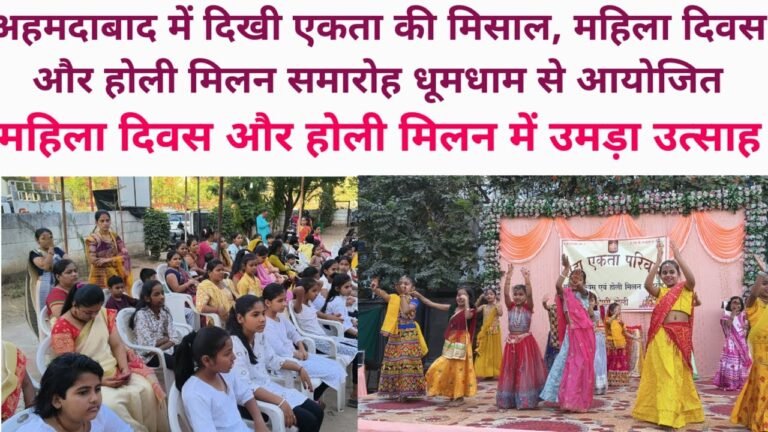
Many organisations tie Holi to service work. A Holi celebrated with the elders of an old age home and a Holi milan combined with Women’s Day are examples. The Holi Mahotsav at Kankaria even included a stage play.
A safe and responsible Holi
- Natural colours — chemical colours harm the skin and the eyes. Natural colours made from turmeric, sandalwood and flowers are the better option.
- Dry gulal — dry gulal has grown popular in the cities; it saves water and washes off easily.
- Consent — do not put colour on anyone without their consent. This is part of the very spirit of Holi — mutual goodwill.
- Keeping children safe — at society-level programmes, set aside a separate and safe space for children.
- Noise limits — late-night programmes must observe the noise rules.
Frequently asked questions (FAQ)
What is the difference between Gair and Ghoomar? — Gair is danced by men with sticks, while Ghoomar is primarily a women’s dance, performed in a circle in a wide flared ghaghra.
What is the difference between the chang and the daf? — Both are large circular hide drums and are very similar; the name changes with the region and the size. Both are the principal instruments of the Phalgun programmes.
How many days is Holi celebrated in Rajasthan? — Formally, Holika Dahan and Dhulandi make up two days, but the run of Faag songs and chang gatherings begins as early as Vasant Panchami.
Where is Gindad celebrated? — Mainly in the Shekhawati region — in the districts of Sikar, Churu and Jhunjhunu.
When is the Gair Mahotsav held in Ahmedabad? — Around Holi, usually in the month of Phalgun. The dates change every year with the panchang and are announced in advance by the local samaj organisations.
Are these programmes open to everyone? — Most public Gair and Phagun Mahotsav programmes are open to all. A particular samaj’s sneh milan is usually for its members.
In closing
Holi is the one occasion in the year when the lines of difference blur most completely for Rajasthani samaj — once the colour is on, everyone looks the same. For families settled in Ahmedabad, the beat of Gair, Ghoomar and the chang is not merely entertainment; it is the way they stay tied to their own soil. And that is why, every Phagun, this tradition comes alive all over again.